
Do I Have TMJ?

What exactly is TMJ? People often refer to jaw pain and/or dysfunction as having “TMJ”. Strictly speaking, this is not accurate.
Everyone has TMJ. In fact, you have 2. TMJ stands for temporomandibular joint – the joint formed between the temporal bone of the skull (head) and the mandible (lower jaw bone), otherwise known as your jaw joint. Dysfunction of the TMJ and jaw pain is known as TMD or TMJD (temporo-mandibular joint disorder). TMDs can arise from several different causes and present themselves in many ways.
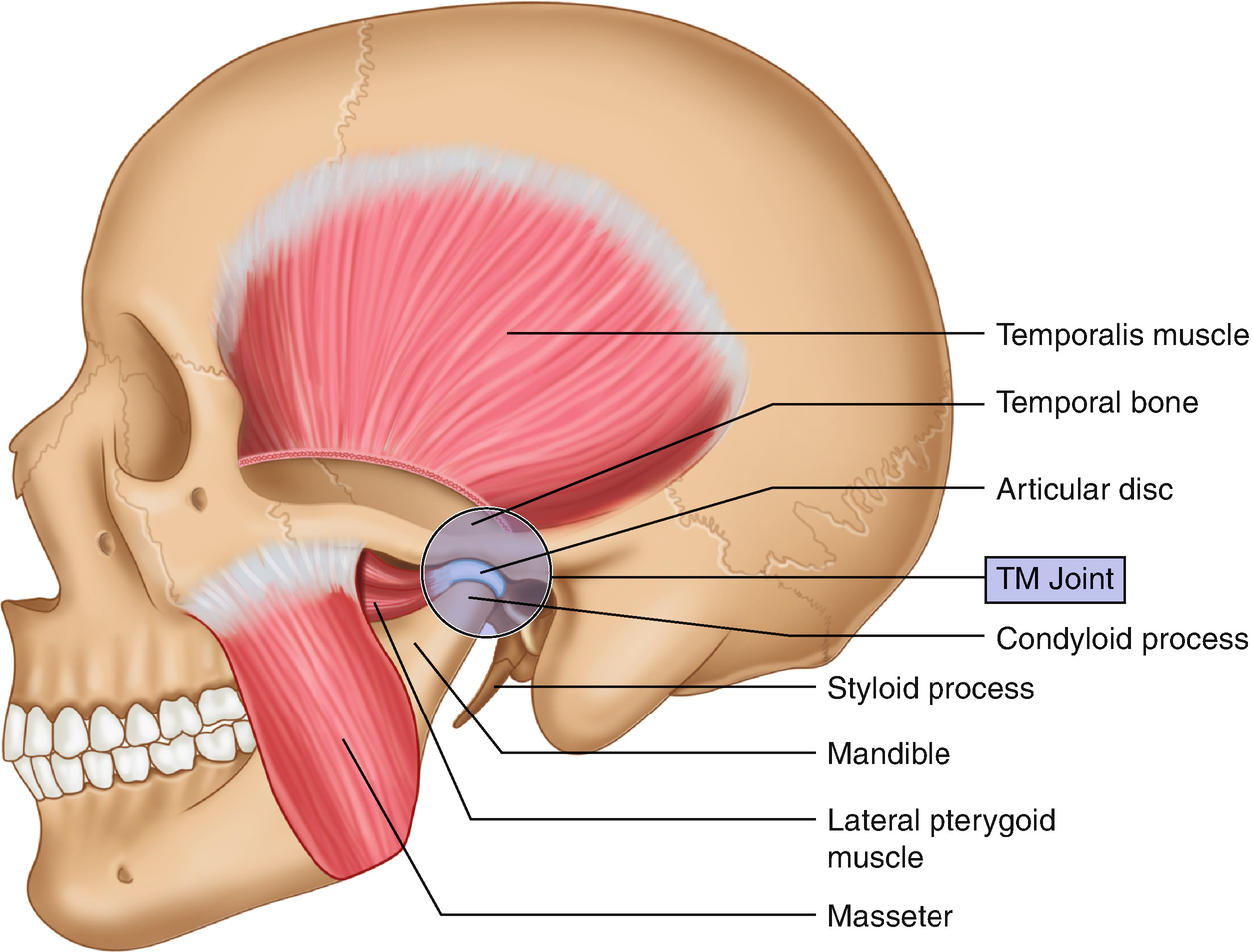
Dysfunction of the TMJ can result in inflammation of the joint, reduced movement of the jaw, tight and sore jaw, neck and head muscles, and derangement or displacement of the joint disc, resulting in uneven movement and/or clicking. Signs and symptoms of TMD often present as pain in the jaw or face, clicking in the TMJ, jaw deviation to one side with mouth opening, pain with chewing, or the inability to fully open (trismus) or close your mouth. What is not commonly known, is it can also present as grinding of the teeth (bruxism), jaw clenching, pain that is perceived as tooth pain, ear pain, tinnitus (ringing in the ears) dizziness, and headaches.
What Causes TMD?
TMD can arise due to several reasons and is often multifactorial. It can occur suddenly, which is often associated with sharp pain over the jaw region, or slowly over time, commonly creating an ache around the jaw. Causes include past trauma to the face or jaw, altered spinal posture resulting in a forward head position, orthodontic work, upper neck joint dysfunction, altered development of the maxilla (upper jaw) and airway obstruction. There are also conditions that can not only contribute to, but worsen or complicate TMD, including stress and anxiety, bruxism, malocclusion (abnormal bite) and joint hypermobility (increased movement of joints of the body).
What Kinds Of Treatments Can Help TMDs?
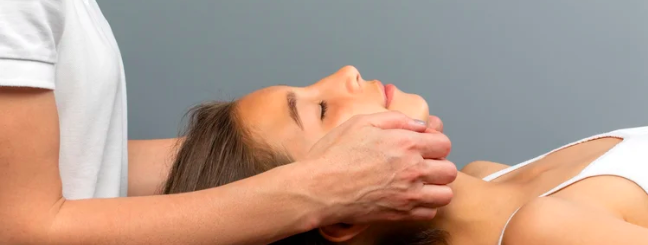
Treatment for TMD depends on the contributing causes. Many TMD presentations are treated with soft tissue therapy (massage) around the jaw and neck and inside the mouth, jaw, neck and oral exercises, and chiropractic joint adjustments and joint mobilisation. Treatment may extend to dental splints or devices, addressing airway obstruction and orthodontic intervention via the appropriate health care providers.
Who Can I see If I Think I Have a TMD?
If you suspect you have TMD or TMD like symptoms, it is important that your complaint is assessed by a practitioner who has a special interest or training in TMD. As there are many causes and conditions often associated with TMDs, it is essential to identify primary causes and contributing factors. There are many different types of practitioners who assess and/or treat TMDs. These practitioners may include dentists, physiotherapists, osteopaths and of course chiropractors. TMJ practitioners often work with other health care professionals to address the multifactorial causes of TMD. A TMJ musculoskeletal practitioner like a TMJ chiropractor can be a great place to start to assess your jaw and determine the nature of your TMD and symptoms.