

What is TMJ and TMD?
TMJ stands for Temporomandibular Joint, otherwise known as the jaw. TMD (or TMJD) stands for TMJ Disorders. This is a group of disorders affecting the jaw joint. They typically involve tightness and/or imbalance of the jaw muscles and dysfunction of the jaw joints, which may extend to damage of the joint structures.
TMDs can present in many ways from joint clicking, to jaw pain, tinnitus, ear symptoms, craniofacial pain, vertigo, headaches, pain when chewing and restricted movement of the jaw.
TMDs are typically complex in nature, with multiple causes and can involve treatment across different professions, which is why there is no common standard of practice in treatment for jaw complaints. Thankfully, there are more health care practitioners now that have focused their care on TMJ dysfunction and can help with getting to the cause(s) of jaw pain.
Even better, expert practitioners work together to obtain optimal results for patients with jaw pain.
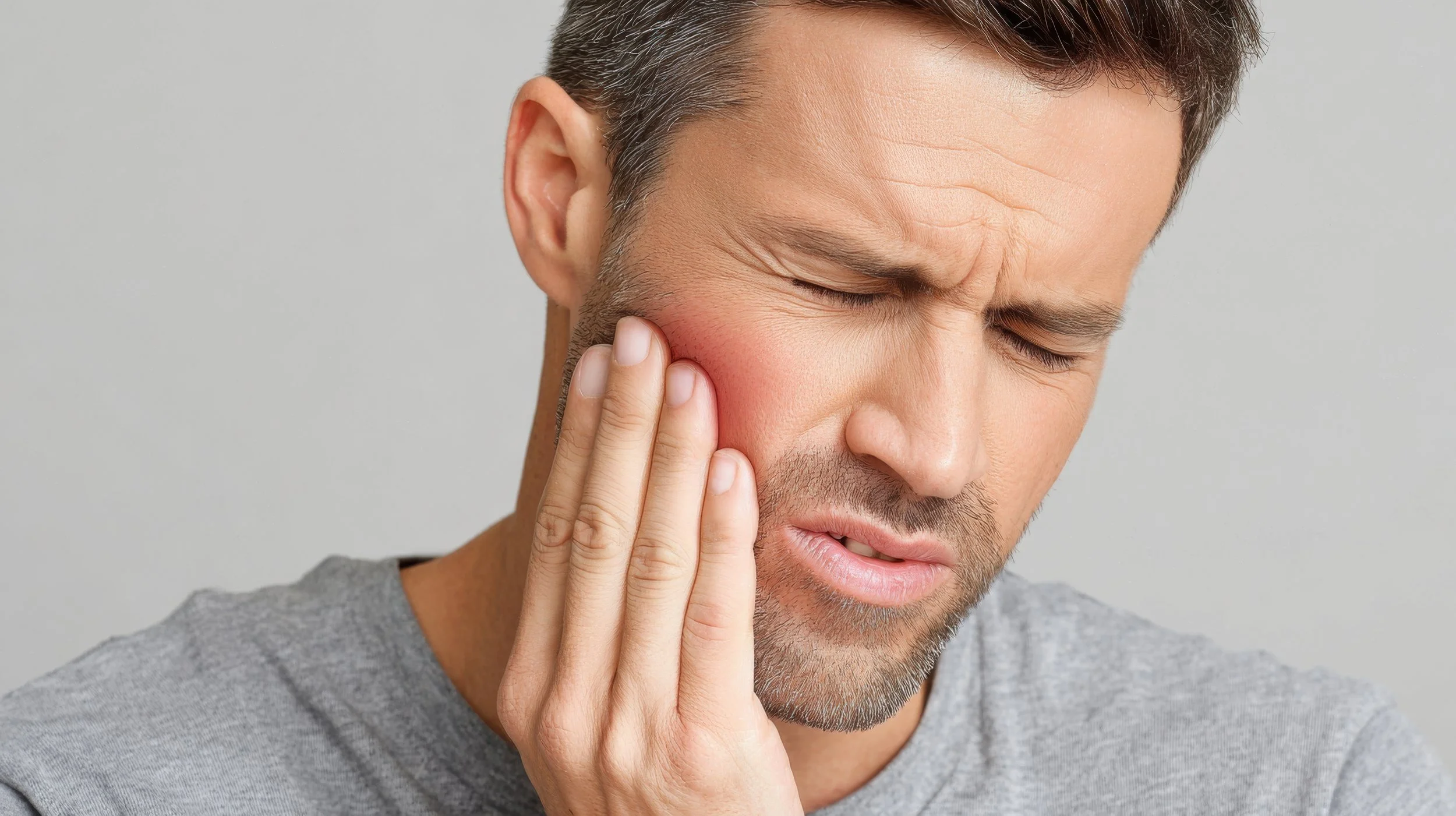
Like with most musculoskeletal complaints, a course of conservative care is often the best place to start. For jaw complaints, this is usually a TMJ specific chiropractor, osteopath or physiotherapist. These practitioners have done more extensive training and address the muscle and joint components of the jaw, as well as looking at the spine and posture.
Depending on their training, they can also screen airways, palate development/size and occlusion as well as assess the orofacial complex or myofunctional disorders (such as poor swallow or tongue posture and oral ties) which place stress on the jaw. These are all factors that may be placing stress on the jaw.
In the presence of dental or airway issues, the TMJ musculoskeletal practitioner can recommend referral to an appropriate practitioner (eg. ENT specialist, airway or TMJ dentist, orthodontist). With advanced or complex cases, or in situations where all the above have not helped, a consultation from a maxillofacial surgeon or similar may be required.