

Orofacial Myology
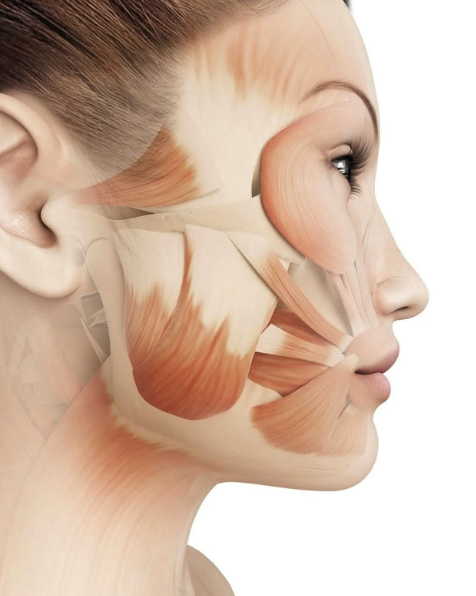
Orofacial myology, otherwise known as orofacial myofunctional therapy, is a specialised field looking at the muscles of the face, mouth, throat, and jaw. Just like any other muscle, these need to be re-trained when imbalanced. An orofacial myologist may be required, usually alongside other practitioners like an ENT specialist, dentist, or speech pathologist, to assist in providing care for conditions like TMJ dysfunction, mouth breathing, snoring and sleep disordered breathing, crowding of the teeth/malocclusion, speech issues, non-nutritive oral habits (like thumb sucking or prolonged dummy use) and tongue ties.
Whatever the initial cause, when muscular imbalance occurs to muscles in and around the face, it can prompt ongoing problems with occlusion (alignment of the teeth), swallowing, chewing, speech, sleep disordered breathing, TMJ dysfunction, and palate and jaw growth.
The study of orofacial myology is a small but growing field, becoming more recognised among dentists, orthodontists and ENT specialists. Practitioners studying orofacial myology must be an AHPRA registered practitioner, and tend to be in the dental, speech pathology and musculoskeletal fields (like chiropractors!).
What can Orofacial Myology help with?
Mouth Breathing
Breathing through the mouth means other structures may be overwhelmed dealing with foreign particles in the inhaled air. Mouth breathing means the tongue is positioned low in the mouth. This is particularly important in children as one of the main forces determining optimal upper jaw/palate development is pressure from the tongue on the roof of the mouth. Without this, there is a greater risk of underdevelopment of the upper jaw, crowding of the teeth, narrowed nasal cavity, recession of the lower jaw, elongation of the face, and hunched posture.
TMD (TMJ Dysfunction)
Myofunctional therapy can assist in addressing the muscle imbalance that occurs with the jaw muscles, as well as some of the other causes of TMD such as tongue position and function, airway and postural exercises.
Tongue Tie (ankyloglossia)
A tongue tie is when the tongue is attached to the floor of the mouth by a shortened or tight frenulum. The frenulum is a normal part of the anatomy, however, when the tissue is short and restricts the movement, it is considered a tongue tie. Some undetected tongue ties can increase the risk of speech and swallowing issues, sleep disordered breathing and malocclusion. Pre- and post-care with a tongue tie revision with myofunctional therapy is important to ensure optimal outcomes from a release and the tongue regains normal movement and function.
Sleep Disordered Breathing (SDB) / Snoring
Sleep disordered breathing, sleep apnoea and snoring all indicate some form of resistance in the airway. This can be due to enlarged adenoids and tonsils, an underdeveloped airway, genetic factors, low muscle tone of the pharynx or other structural issues. In conjunction with a consult with an ENT or sleep specialist, myofunctional therapy may be required to help retrain the body to breathe through the nose or strengthen the pharyngeal airway.
Crowding and Malocclusion (Crooked Teeth)
An early sign of imbalance within the mouth is crowding of the teeth. While genetics can be a factor, many cases are due to an imbalance of forces within the mouth.
Oral Habits
Non-nutritive oral habits may include prolonged use of a pacifier, thumb sucking and nail and lip biting. Such habits may change how the teeth sit (occlusion) and how the tongue works. This can create an imbalance and dysfunction of the muscles in and around the mouth.