Is Your Tongue Letting You Down?

It may seem a little strange, but if your tongue is lacking strength or function, it can have a big impact.
There are many reasons why tongue function can be altered, including lack of space (narrow upper jaw/palate), oral ties, low tongue posture, and mouth breathing.
Lack of tongue function or strength can lead to speech issues, a dysfunctional swallow, sleep disordered breathing and jaw pain.
Tongue-jaw dissociation is a term to identify the tongue and jaw functioning independently and is an important aspect of orofacial function. It is important the tongue be able to function independently of the jaw to avoid the jaw working harder to compensate for poor tongue function. Lack of tongue-jaw dissociation can create more stress on the jaw and lead to jaw pain.
Here are some key exercises to improve your tongue function, strength and tongue-jaw dissociation.
1. Tongue Push Ups
Firstly, see if you can suction your tongue flat against the roof of your mouth. If you have poor tongue strength or a tongue tie, this may be difficult.
Keep the tongue flat against the roof of the mouth while you slowly open and close the mouth, ensuring the tongue does not release from the roof of the mouth. Repeat 7 more times.
If this difficult, you can start by just suctioning the tongue to the roof of the mouth for the count of 3 without opening and closing the mouth.

2. Sit-Ups
Open your mouth a few centimetres. Poke your tongue straight out so it is not touching your lips. Move the tip of your tongue to touch your upper lip, then return the tongue to the starting position (straight out in a point). Ensure your mouth is open wide enough that your tongue does not rest on your lower lip. Repeat 7 more times.


3. Side to Sides
Place a tongue depressor on its side (or something of similar width) between the upper and lower front teeth. Move your tongue to the right to poke it out, then to the left. Repeat 7 more times.
Once this has been mastered you can progress to having your mouth open without the tongue depressor, ensuring you jaw does not move.


4. Windscreen Wipers
Place your tongue tip on your upper lip. Slowly trace your tongue tip on your lip to the left corner of your mouth. Then slowly trace along the lip to the right corner of the mouth. Repeat 7 more times. Ensure your jaw does not move. If required, you can place your finger on your chin to assist keeping your jaw still.



5. Jaw Breakers
Keeping your lips together, push your tongue into your right cheek as far as you can. Hold for the count of 4, then repeat on the left side. Repeat both sides 7 more times. Try not to let your jaw move.


6. Monkey
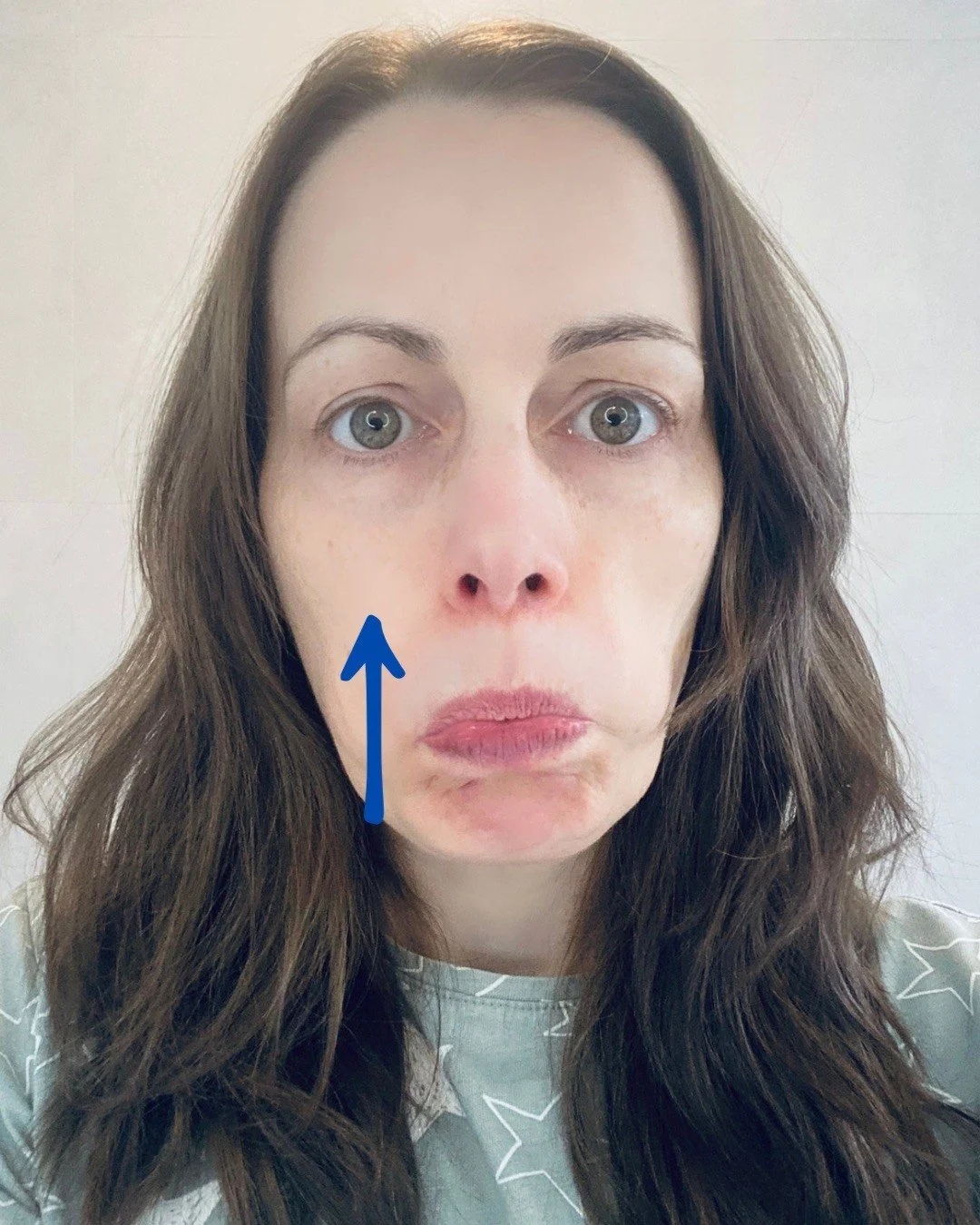
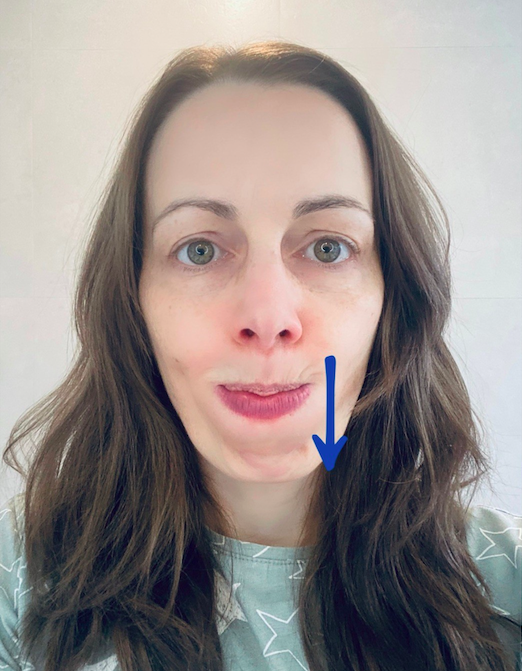
Keeping your lips closed, place your tongue in front of your front teeth, behind your upper lip. Hold for the count of 4, then move your tongue to in front of your lower teeth, behind your lower lip. Hold for the count of 4. Repeat 7 more times.
7. Tooth Cleaners
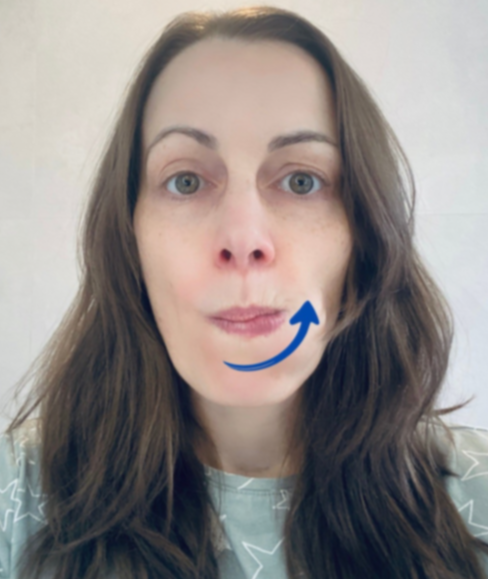
Keeping your lips closed, move your tongue tip in a circle from in front of your front teeth (behind your upper lip) then towards your bottom teeth (behind your bottom lip). Move in a circle like you are cleaning the front teeth with your tongue. Do 8 circles, then repeat in the opposite direction.